Introduction
Vietnam has long been recognized as a leading player in global agriculture and aquaculture exports. Among its diverse export portfolio, shrimp stands out as one of the most valuable commodities, contributing significantly to the country’s economy. As international demand for high-quality seafood continues to rise, Vietnam has positioned itself as a reliable source of shrimp, supported by sustainable farming practices and government-backed initiatives. For buyers worldwide, sourcing from a Vietnam agriculture exporter offers both quality assurance and competitive pricing.
The Significance of Shrimp in Vietnam’s Agriculture
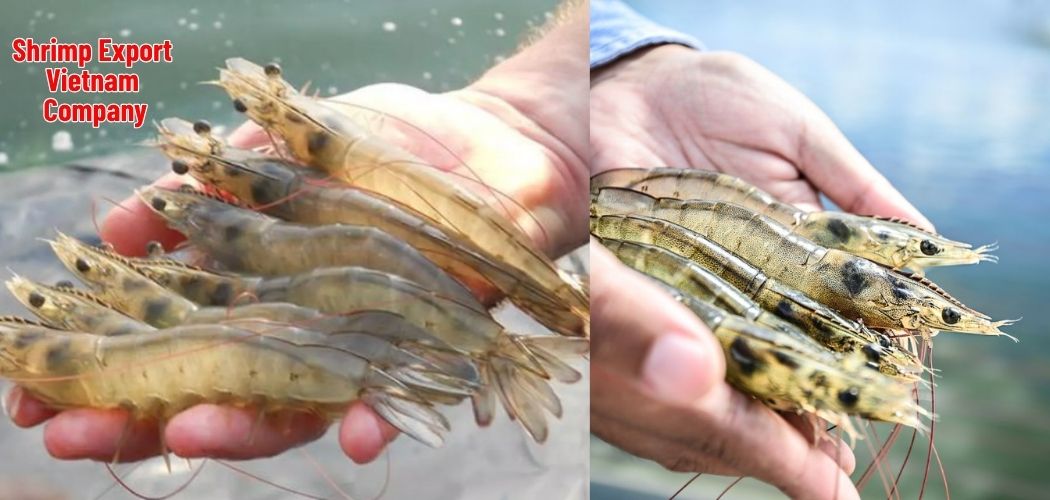
Shrimp farming has become a cornerstone of Vietnam’s aquaculture sector. With favorable natural conditions, an extensive coastline, and decades of farming experience, Vietnam has developed an advanced shrimp industry that meets global standards. The two primary shrimp varieties—black tiger shrimp and whiteleg shrimp—are exported to key markets including the United States, the European Union, Japan, and China.
The industry not only provides economic value but also creates employment for millions of Vietnamese workers, particularly in rural and coastal provinces. By aligning with international food safety regulations, Vietnam’s shrimp sector ensures that its exports maintain strong demand across global markets.
Why Choose Vietnam for Shrimp Sourcing?
Global importers, retailers, and food processors seek partners that offer consistency, reliability, and compliance with safety standards. Vietnam delivers on all three:
- Quality Control – Strict monitoring of farming and processing ensures shrimp meet international certifications such as HACCP, ASC, and GlobalG.A.P.
- Competitive Pricing – Vietnam’s production scale allows exporters to offer cost-effective solutions compared to other suppliers.
- Sustainability – Increasing adoption of eco-friendly practices strengthens Vietnam’s reputation as a responsible source.
- Customization – Exporters can tailor shrimp products—frozen, head-on, peeled, deveined, or value-added—according to specific market needs.
For businesses searching for trusted partners, collaborating with a Vietnam agriculture exporter guarantees access to diverse product lines beyond shrimp, including rice, fruits, coffee, and spices.
The Role of Trade Agreements
Vietnam’s participation in international trade agreements such as the CPTPP and EVFTA has reduced tariffs, making its shrimp more competitive in key markets. These agreements also reinforce Vietnam’s commitment to global trade standards, benefiting importers who value transparency and regulatory compliance.
Certifications That Build Trust
Importers are increasingly concerned with traceability and sustainability. Vietnam’s shrimp exporters are certified under international schemes like:
- HACCP (Hazard Analysis and Critical Control Points)
- BAP (Best Aquaculture Practices)
- ASC (Aquaculture Stewardship Council)
- ISO Standards
These certifications help build confidence among buyers that shrimp products are safe, high-quality, and responsibly sourced.
Future Outlook for Vietnam Shrimp Export
The global shrimp market is projected to expand steadily due to rising consumer demand for seafood. Vietnam is set to capture a larger market share through technological improvements, enhanced farming practices, and stronger branding initiatives.
Conclusion & Call to Action
For international importers, food processors, and retailers, Vietnam stands as a trusted hub for high-quality shrimp exports. Choosing a Vietnam agriculture exporter not only guarantees premium shrimp but also opens doors to a wide array of agricultural products.
Explore opportunities with Vietnam’s leading exporters today:
- Anchor link: Vietnam agriculture exporter
- Plain link: https://www.riceexportervietnam.com
By partnering with Vietnam, your business secures a reliable supply chain rooted in quality, sustainability, and global competitiveness.
